
Uncategorized
Why K2 Labels Cannot Establish Contents: A Harm-Reduction Guide to Unknown Synthetic Cannabinoids
Oct
Important: This article is for health and safety education. It does not promote, sell, or recommend using K2, Spice, synthetic cannabinoids, infused paper, liquids, powders, sprays, or herbal incense. These products can contain unpredictable substances and may be illegal where you live.
Why a K2 label is not a reliable safety guide
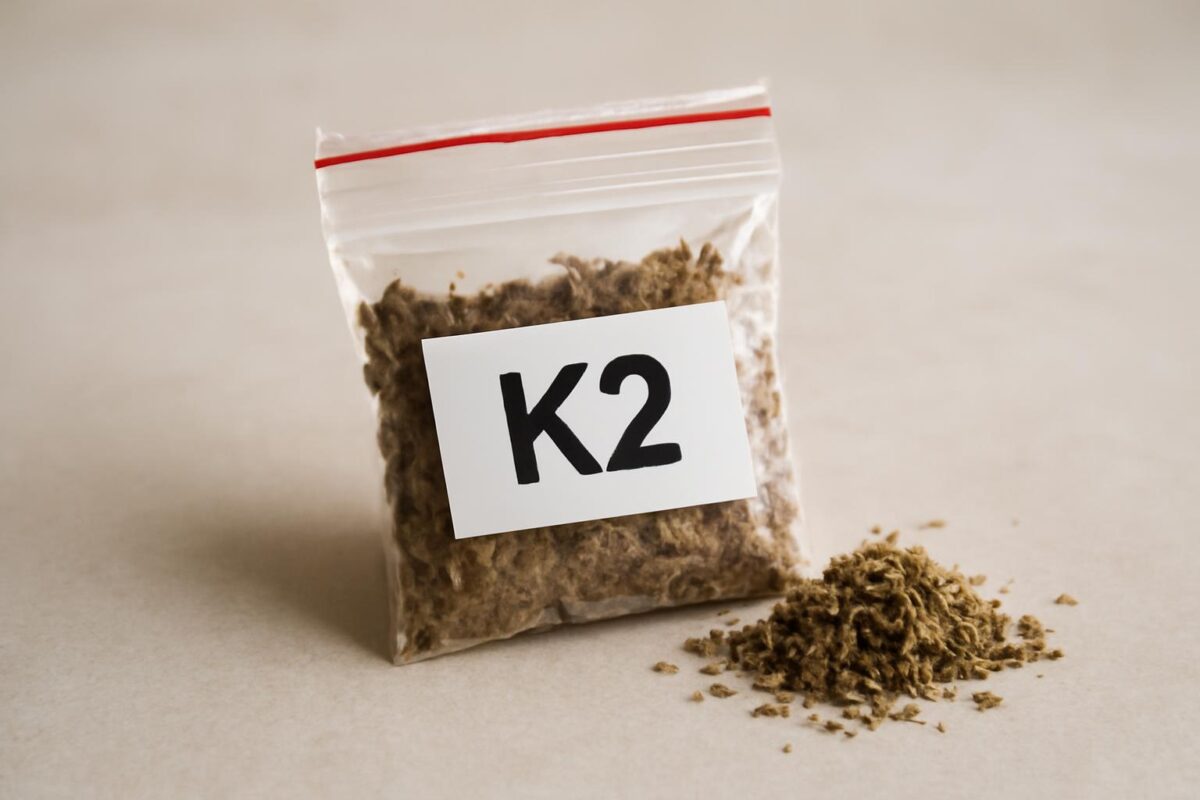
Products sold under names such as K2, Spice, synthetic cannabis, herbal incense, or research chemical may look clearly labeled, but the name and packaging do not necessarily reveal the contents. Formulas can change between batches, products may be mislabeled, and packaging may use familiar terms that suggest a botanical or cannabis-like product even when the active chemicals are different.
This uncertainty is especially important because synthetic cannabinoids are not one single substance. They are a broad and changing group of laboratory-made chemicals that can affect the brain and body in different ways. Two packages with similar branding may contain different compounds, different concentrations, or unexpected contaminants.
A professional-looking label, a claim of premium quality, or a statement such as “extra strength” cannot prove identity, purity, or predictable potency. Even a product described as a k2 paper product, k2 liquid, k2 powder, or herbal blend should be treated as an unknown substance unless verified by a qualified laboratory and interpreted by an appropriate health professional.
Marketing language that can create false confidence
Packaging often uses terms that sound reassuring without providing meaningful safety information. Words such as “natural,” “botanical,” “clean,” “lab-created,” “legal high,” “premium,” or “consistent” may describe marketing goals rather than independently verified contents.
Likewise, terms including potent K2 sheets, extra strength, strong blend, or high potency can signal increased risk rather than improved quality. Higher concentration may make accidental exposure more dangerous, particularly when the amount of active chemical is not stated in a reliable unit or when distribution across paper or plant material is uneven.
Photographs, color, scent, texture, and brand names cannot identify a synthetic cannabinoid. A product that looks like dried herbs may have been treated with a chemical solution. A sheet of paper may carry an unknown substance in an uneven pattern. A liquid or powder may also be mislabeled or contaminated. Do not taste, smell closely, touch unnecessarily, or experiment with an unidentified product to determine what it is.
What makes infused paper and sprayed materials especially uncertain?
Paper, plant material, and other absorbent surfaces can make distribution difficult to judge. A visible mark or apparently small piece does not indicate how much active chemical is present. One area may contain substantially more residue than another, while the chemical may transfer to hands, surfaces, clothing, or other objects.
Home spraying, dipping, soaking, or mixing creates additional hazards. It can produce aerosols, skin exposure, spills, flammable vapors, and uneven concentrations. It can also expose other people who did not knowingly choose to handle the substance. For these reasons, people should not attempt to make, strengthen, dilute, coat, or redistribute suspected synthetic cannabinoids.
Do not rely on online descriptions of “dosage,” user reviews, or claims that a particular product is “safe” because someone else had a mild experience. Unregulated products can change without notice, and an earlier batch does not establish the contents of a later one.
Warning signs after possible exposure
Effects can begin quickly or develop over time. Concerning symptoms may include severe anxiety, agitation, confusion, hallucinations, unusual behavior, extreme drowsiness, vomiting, chest pain, trouble breathing, seizures, collapse, very fast or irregular heartbeat, or dangerously high body temperature.
Any suspected poisoning should be taken seriously, especially when the substance is unknown or the person has mixed it with alcohol, prescription medicines, stimulants, opioids, or other drugs. Children, older adults, pregnant people, and those with heart, seizure, or mental-health conditions may face additional risks.
What to do during a suspected poisoning
- Call emergency services immediately if the person is unconscious, having a seizure, struggling to breathe, experiencing chest pain, severely confused, or otherwise in danger.
- Do not leave the person alone. Stay nearby and monitor breathing and responsiveness.
- Do not induce vomiting and do not give food, drink, or other substances unless instructed by emergency professionals.
- Move away from fumes or residue and avoid direct contact. If safe, keep the packaging or remaining material available for responders, but do not handle it unnecessarily.
- Provide accurate information about what may have been used, when exposure occurred, and whether other substances were involved. Honest information helps clinicians choose appropriate care.
If the person is unresponsive and not breathing normally, follow the emergency dispatcher’s instructions. If naloxone is available and opioid exposure is possible, responders may advise its use; naloxone does not reverse every synthetic cannabinoid effect, so emergency medical care is still essential.
How to reduce risk around unknown products
- Do not buy, use, or share products marketed as K2, Spice, synthetic cannabis, or legal highs.
- Keep suspected substances away from children, pets, food, and common surfaces.
- Do not burn, heat, spray, soak, dilute, or transfer an unidentified material.
- Wash hands after accidental contact and avoid touching the eyes, nose, or mouth.
- Contact local poison-control services for specific guidance after a possible exposure.
- Check local laws before handling or disposing of any suspected controlled substance.
For general context about how K2-related products may be presented online, readers can review the site homepage without treating product descriptions as medical, laboratory, or safety verification. The site’s category index and page index may also help distinguish marketing language from independent health information, but neither should be used to assess whether an unidentified substance is safe.
Questions to ask before trusting a label
Does “herbal” mean the product is plant-only?
No. “Herbal” can describe branding or the material used as a carrier. It does not prove that a product contains only plants or that it is safe to inhale, ingest, or burn.
Does a laboratory claim prove safety?
Not by itself. A meaningful result should identify the tested sample, the compounds detected, the concentrations measured, the testing method, and the laboratory’s qualifications. A generic certificate, logo, or statement about testing may not apply to the specific package in question.
Can appearance or strength claims reveal potency?
No. Color, smell, packaging, and phrases such as “strong” or “extra potent” cannot establish the amount or identity of an active chemical. Treat unknown potency as a serious warning sign.
The safest conclusion when contents are uncertain
When a product is marketed as K2, Spice, synthetic cannabis, infused paper, liquid incense, powder, or herbal incense, the safest assumption is that the contents and strength are uncertain. Do not let attractive packaging, online testimonials, or claims of premium quality substitute for independent verification and professional health advice.
If someone may have been exposed and is showing concerning symptoms, seek emergency help immediately. The priority is not identifying the brand or debating the label; it is protecting the person, sharing accurate information with responders, and preventing further exposure.
