
Uncategorized
Why Standard Cannabis Tests May Miss K2 and Other Synthetic Cannabinoids
Nov
Important: This article is for health and safety education. K2, Spice, and other synthetic cannabinoid products can contain unpredictable chemicals and may be illegal where you live. Nothing in this guide recommends using, buying, preparing, or distributing these substances.
Why K2 synthetic cannabinoid drug testing is often misunderstood
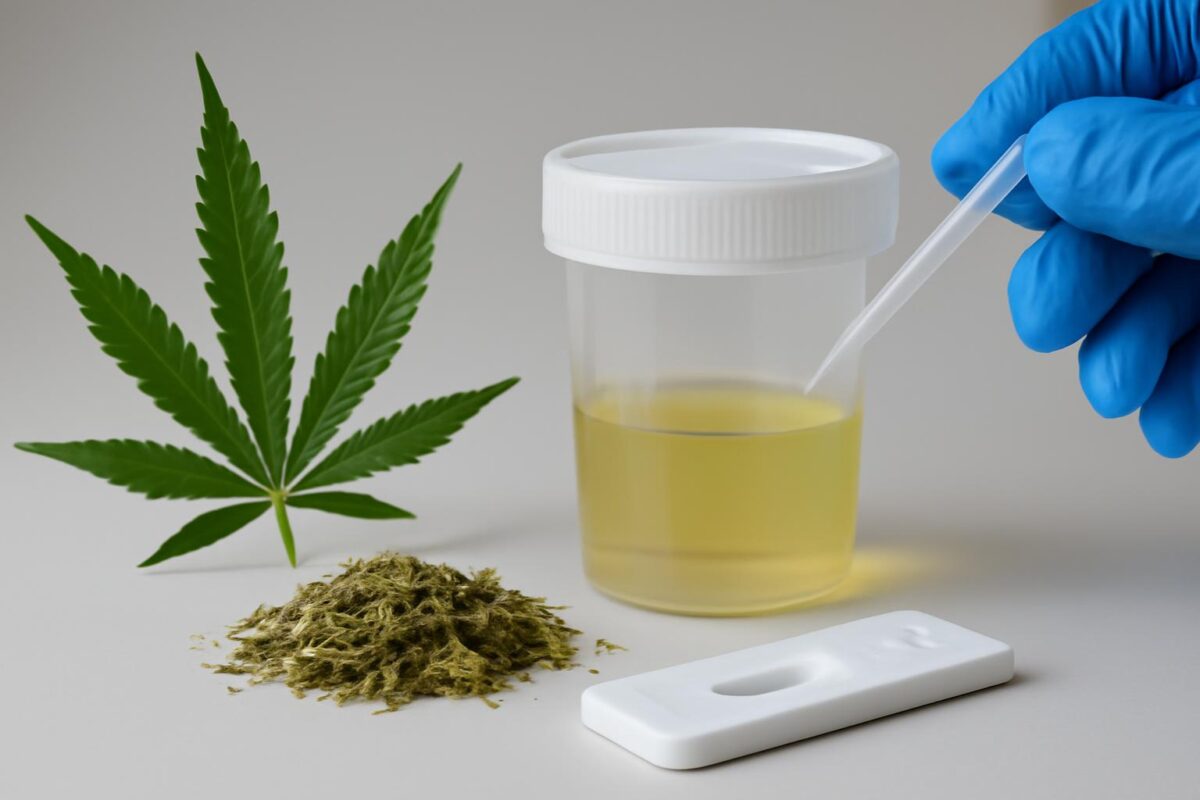
People sometimes assume that a negative cannabis test means they have not been exposed to a cannabinoid-related substance. That assumption can be unsafe. Routine urine, saliva, or hair screens are generally designed to detect specific cannabis metabolites, most commonly the metabolite associated with delta-9-tetrahydrocannabinol, or THC. K2 and Spice products are not simply cannabis under another name. They are labels commonly used for mixtures containing laboratory-made chemicals that interact with cannabinoid receptors in the body.
Because the compounds may be structurally different from THC, a standard cannabis panel may not detect them. A negative result can therefore mean only that the particular test did not identify its target analyte. It does not prove that no synthetic cannabinoid was present, that no exposure occurred, or that a product was harmless.
This distinction matters in workplaces, schools, healthcare settings, probation programs, emergency departments, and family discussions. Testing is a technical tool with a defined scope, not a universal detector for every psychoactive substance.
How routine cannabis screening works
Most basic cannabis tests look for a biological marker produced after the body processes THC. Depending on the test, the sample may be urine, saliva, blood, or hair. Each sample type has a different detection window, and each testing method has different sensitivity and limitations.
A typical screening process involves three important stages:
- Target selection: The test is configured to look for particular chemicals or metabolites.
- Initial screening: A rapid method identifies whether the target may be present above a cutoff level.
- Confirmation: If required, a more specific laboratory method checks the result against defined compounds.
None of these stages automatically covers every synthetic cannabinoid. A test must be designed to identify the relevant compound or a known metabolite. If the chemical is not included in the panel, the result may be reported as negative even when exposure occurred.
Why K2 and Spice can evade a standard panel
They are not one fixed chemical
The terms K2 and Spice refer to product categories and street names rather than one stable formula. Different products may contain different synthetic cannabinoid compounds, mixtures, concentrations, or contaminants. Products sold under similar packaging can therefore produce very different toxicological findings.
Manufacturers and illicit suppliers may also change compounds over time in response to regulation, availability, or attempts to avoid detection. This creates a moving target for laboratories. A test developed for one compound may not identify a newer or chemically modified substance.
Metabolites may be unfamiliar or short-lived
The body often breaks synthetic cannabinoids into metabolites that differ from the original chemical. Laboratories need reference information for those metabolites to build a useful assay. For newer compounds, reference standards may be limited, and the relevant metabolites may not yet be fully characterized.
Some substances may also leave the body quickly, while others may be affected by hydration, metabolism, dose, frequency of exposure, or the type of sample collected. These variables make it difficult to predict a detection window from product names or informal reports.
Product labels cannot define the laboratory target
Packaging terms such as “herbal incense,” “potpourri,” “research chemical,” or “not for human consumption” do not tell a laboratory which chemical is present. Likewise, a label that uses the word cannabis, hemp, botanical, or legal high does not establish that the contents match the description.
When a product is unregulated or mislabelled, the only reliable way to identify its contents is through appropriate chemical analysis. Appearance, smell, color, package design, and claimed potency cannot substitute for testing.
What a negative cannabis test does and does not show
A negative result may be accurate for the specific THC analyte and cutoff used. It does not necessarily answer broader questions about synthetic cannabinoid exposure. In practical terms, a negative standard cannabis screen may mean:
- THC or its targeted metabolite was not detected above the test cutoff.
- The sample was collected outside the relevant detection window.
- The person was exposed to a substance that the panel does not cover.
- The substance was present at a level below the method’s reporting threshold.
It is important not to treat a negative result as proof that a person is unaffected. Symptoms, timing, observed behavior, and clinical examination can be more important than a routine screen when someone is unwell.
When specialized synthetic cannabinoid testing may be considered
Specialized testing can be requested in some clinical, forensic, occupational, or research settings, but it is not universally available. Panels may cover only selected compounds and may not include every substance used in a particular product. Turnaround times, sample requirements, laboratory capability, and local rules also vary.
Anyone seeking testing should speak directly with a qualified healthcare professional, toxicologist, or accredited laboratory. Give them as much factual information as possible, including:
- The time and date of possible exposure.
- The form of the product, such as paper, plant material, liquid, powder, or an unknown mixture.
- The original packaging or a photograph of it, if available.
- Any co-use of alcohol, prescription medicines, stimulants, opioids, or other drugs.
- Symptoms, changes in consciousness, breathing problems, seizures, chest discomfort, or severe agitation.
Do not delay urgent medical care while waiting for a test or trying to identify a product. Toxicology results can support clinical decisions, but they are not a substitute for immediate assessment.
Why symptoms still matter when testing is negative
Synthetic cannabinoids can affect the brain, heart, blood pressure, temperature regulation, kidneys, and muscles. Reported effects have included confusion, panic, hallucinations, severe agitation, vomiting, rapid heartbeat, chest pain, loss of consciousness, seizures, and difficulty breathing. The exact presentation depends on the chemical, concentration, route of exposure, and other substances involved.
Emergency services should be contacted for trouble breathing, blue or gray lips, unresponsiveness, a seizure, severe chest pain, extreme overheating, collapse, or behavior that places the person or others in immediate danger. Keep the area calm, remove obvious hazards, and do not force food, drink, or additional substances. If the person is unconscious but breathing, place them on their side if it is safe to do so and monitor their breathing while help is on the way.
Tell medical professionals what may have been taken without fear of judgment. Accurate information can help clinicians choose appropriate monitoring and treatment. If an unknown powder, liquid, or treated paper is involved, avoid touching it unnecessarily and follow local poison-control or emergency guidance.
Common mistakes when interpreting K2 testing
Mistake 1: Treating K2 as a single drug
K2 is a broad term. A result for one synthetic cannabinoid cannot automatically confirm or exclude other compounds. Testing should be interpreted according to the exact analytes included in the panel.
Mistake 2: Assuming a home test covers everything
Home tests are usually limited to the substances printed in their instructions. They may be useful for their intended targets, but they should not be presented as comprehensive screens for novel psychoactive substances.
Mistake 3: Relying on online detection windows
Detection-time estimates found online often refer to different compounds, sample types, and testing thresholds. They may not apply to an unknown product or a newly encountered synthetic cannabinoid.
Mistake 4: Using a product’s marketing language as toxicology evidence
Words such as “natural,” “premium,” “extra strength,” or “herbal” describe marketing, not verified chemical composition. The same caution applies to claims that a product is legal, lab-created, or undetectable.
Safer information practices around unknown products
Do not taste, burn, sniff, or apply an unidentified K2-related product to determine what it is. Do not attempt to dilute, remix, spray, soak, or transfer an unknown liquid or powder. Such actions can spread residue, create inhalation risks, or make the eventual exposure harder to understand.
Store any packaging away from children and animals, avoid unnecessary handling, and follow local hazardous-material or disposal guidance. If there has been skin or eye contact, use the relevant first-aid instructions from poison-control services or emergency professionals. Do not rely on internet advice to neutralize an unknown chemical.
For general information about the product categories and terminology used on this website, readers can visit the K2 Sheets Shop homepage. The site’s category index and product index may also help explain how different formats are labeled, but listings and descriptions should never be treated as proof of safety, contents, legality, or detectability.
Questions to ask a testing provider
When testing is being considered, ask practical questions before relying on the result:
- Which exact synthetic cannabinoids and metabolites does the panel detect?
- Does the method include confirmation by a specific laboratory technique?
- What sample type is required, and what are its limitations?
- Could a newer or structurally different compound produce a negative result?
- How should the result be interpreted alongside symptoms and timing?
- Who will explain the findings to the person tested?
These questions help distinguish a targeted assay from a broad claim that a sample has been checked for “all drugs.” No routine test can guarantee detection of every possible psychoactive compound.
FAQ: K2 synthetic cannabinoid drug testing
Can K2 show up as marijuana on a standard test?
Usually, a standard THC test is not designed to identify most synthetic cannabinoids. Cross-reactivity is possible with some testing methods, but it should not be assumed. A negative THC result also does not rule out K2 exposure.
How long can synthetic cannabinoids be detected?
There is no single reliable answer. Detection depends on the compound, its metabolites, the sample type, the amount and timing of exposure, and the laboratory method. Unknown mixtures make estimates especially uncertain.
Can drinking water or exercising remove K2 from a test?
No dependable home method can guarantee that a substance will be removed or concealed. Excessive water intake can itself be dangerous and may produce an invalid or diluted sample. Do not attempt to manipulate testing.
Should a person seek medical help after a negative test?
Yes, if symptoms are serious, worsening, or unusual. Breathing difficulty, seizures, unconsciousness, chest pain, extreme agitation, or collapse require urgent medical attention regardless of a test result.
The practical takeaway
K2 and Spice are not defined by one predictable ingredient, so a routine cannabis screen cannot answer every question about exposure. Test results must be interpreted according to the panel used, the sample collected, and the timing of the event. Product labels and marketing claims are not substitutes for chemical analysis.
When someone may have been exposed, prioritize symptoms and immediate safety. Seek professional guidance about specialized testing, provide honest information about the product and timing, and do not delay emergency care while waiting for a laboratory answer.
