
Uncategorized
Why K2 Soaked Paper Exposure Is So Unpredictable: A Practical Harm-Reduction Guide
Oct
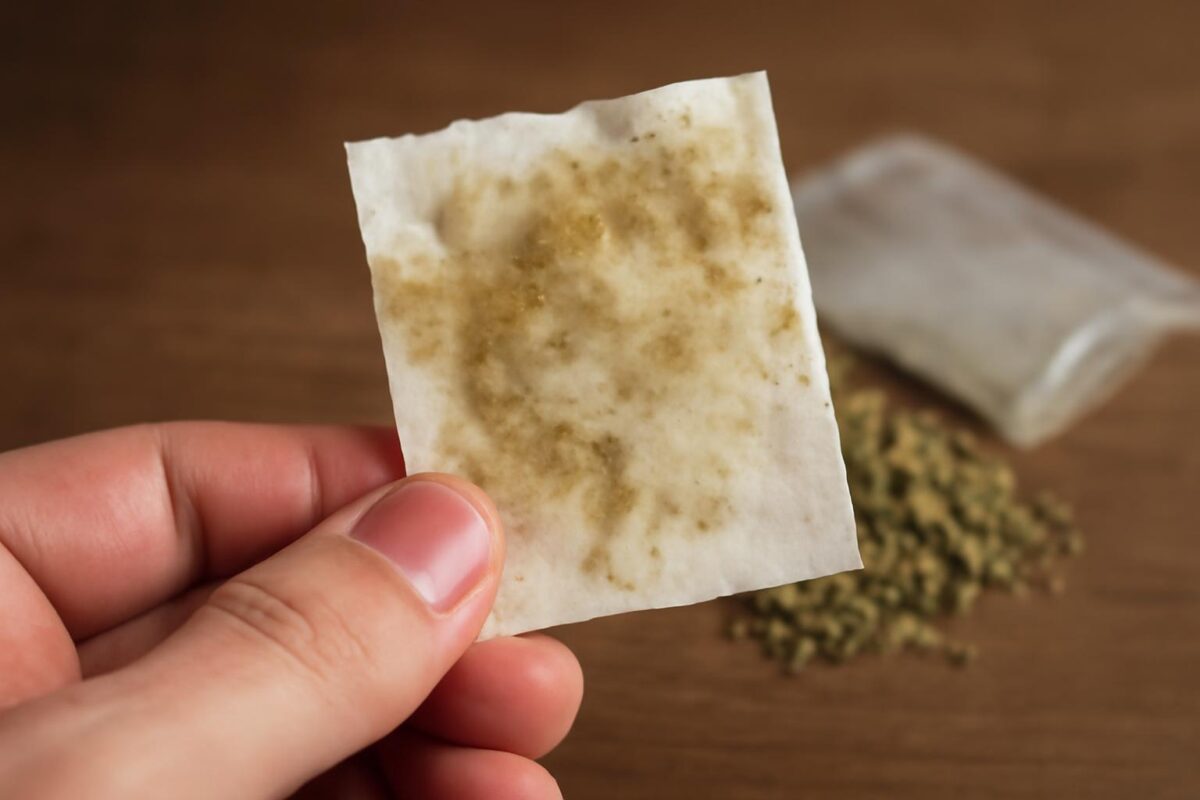
K2 soaked paper exposure variability is a serious concern because paper that appears ordinary may carry an unknown synthetic cannabinoid mixture. The term “K2,” along with names such as Spice, synthetic cannabis, or herbal incense, can describe many different chemicals and product formats. A printed label, familiar brand name, or consistent-looking sheet cannot reliably show what is present or how much has been applied.
This article is educational and harm-reduction focused. It does not recommend using, preparing, spraying, soaking, smoking, or transferring synthetic cannabinoid products. These substances can cause severe and unpredictable effects, and laws vary by location. If someone may be having a medical emergency, contact local emergency services or poison control immediately.
What makes K2 soaked paper different from ordinary paper?
K2 soaked paper generally refers to paper that has been treated with a liquid containing one or more synthetic cannabinoids. Other descriptions may include infused paper, dipped paper, coated paper, or synthetic cannabinoid paper. The wording varies, but the central concern is the same: the active material may not be distributed evenly across the sheet.
Unlike regulated medicines, these products may lack dependable manufacturing controls, verified dose information, or a reliable chain of custody. One section of a sheet may contain substantially more chemical than another. The paper may also contain multiple compounds, residual solvents, dyes, contaminants, or substances not listed on the packaging.
Even when a product is sold as a “strong,” “premium,” or “extra potent” blend, those descriptions are marketing terms rather than proof of measured strength. A product described as herbal incense may contain no cannabis and may still produce powerful, dangerous effects.
Why potency can vary across a single sheet
Uneven application
Liquid mixtures do not necessarily spread evenly through paper fibers. Differences in absorbency, moisture, thickness, drying conditions, and handling can leave concentrated areas alongside sections containing much less material. Visual inspection cannot identify these differences.
Unknown chemical mixtures
The word “K2” does not identify a single compound. Synthetic cannabinoids have changed over time, and products sold under the same name may contain entirely different substances. Some compounds can be active at very small amounts, while mixtures may produce effects that are difficult to predict.
Storage and environmental changes
Heat, light, humidity, and time can alter a product or its packaging. A sheet stored in a pocket, vehicle, bathroom, or other warm environment may not have the same chemical profile as when it was first made. Degradation can create additional uncertainty rather than making the product safer.
Cross-contamination
Paper can transfer residue to hands, clothing, surfaces, bags, or other objects. Accidental contact is especially concerning when someone later touches their mouth, eyes, food, medication, or a child’s belongings. People with limited mobility, children, and pets may be at particular risk from unattended contaminated materials.
Why appearance and smell are unreliable safety checks
Color, fragrance, texture, and dryness do not establish the identity or concentration of a synthetic cannabinoid. A sheet that looks dry may still contain active residue. A sweet or botanical smell may come from added fragrance rather than the underlying chemical. Conversely, a strong chemical odor does not reveal which substance is present or how hazardous it may be.
Home tests also have important limitations. A negative result does not prove that paper is free of synthetic cannabinoids, and a positive result may not identify every compound or indicate its concentration. Testing should never be treated as permission to use an unknown product.
For general browsing, the store’s K2 paper sheets information page provides site-level context about the product categories associated with this niche. Product descriptions and category names should not be interpreted as laboratory verification, medical guidance, or a guarantee of contents.
Possible signs of synthetic cannabinoid exposure
Effects can begin quickly, but timing varies with the chemical, route of exposure, amount, individual health, and whether other substances were involved. Reported signs may include:
- Confusion, agitation, panic, or unusual behavior
- Drowsiness, collapse, or difficulty staying awake
- Fast or irregular heartbeat
- Chest pain or trouble breathing
- Vomiting, sweating, tremors, or severe restlessness
- Loss of coordination or inability to respond normally
- Hallucinations, paranoia, or extreme anxiety
- Seizures or sudden loss of consciousness
These symptoms can overlap with other medical conditions, poisoning, heat illness, or interactions involving alcohol, prescription medicines, or other drugs. Do not attempt to diagnose the cause at home.
What to do during a suspected emergency
Call for medical help
If a person has trouble breathing, has a seizure, collapses, develops chest pain, cannot be awakened, or behaves dangerously, call emergency services immediately. Tell responders what is known, including the product name, packaging, suspected exposure route, and any other substances involved. Do not delay a call while searching online for the exact compound.
Stay with the person
Move nearby hazards away if it can be done safely. Keep the person in a calm, supervised environment. If they are unconscious but breathing, place them on their side and monitor their breathing while waiting for help. Do not leave them alone to “sleep it off.”
Avoid common mistakes
- Do not induce vomiting.
- Do not give food, alcohol, caffeine, or additional drugs.
- Do not force water or medicine on someone who is drowsy or confused.
- Do not restrain a person unless immediate safety requires it.
- Do not assume that naloxone will reverse synthetic cannabinoid effects, although emergency professionals may still recommend it when opioid exposure is possible.
If the person is breathing abnormally or not breathing, follow the dispatcher’s instructions and begin appropriate first aid if trained. In the United States, Poison Control can be reached at 1-800-222-1222; elsewhere, use the local poison information service.
Reducing accidental contact in homes and workplaces
The safest way to prevent exposure is not to handle or use an unknown synthetic cannabinoid product. If an unidentified sheet or package is found, avoid touching your face and keep other people and animals away from it. Do not burn it, wash it down a sink, place it in food waste, or attempt to extract residue.
For suspected contamination, contact local hazardous-waste, public-health, or law-enforcement authorities for disposal guidance. Requirements differ by jurisdiction. Wear protective equipment only when advised by qualified professionals; improvised handling can spread residue or create additional hazards.
After accidental contact, wash exposed skin with soap and water. Remove contaminated clothing and place it away from other laundry until guidance is available. If material enters the eyes, rinse with clean running water and seek medical advice, especially if irritation continues. Any symptoms after contact warrant prompt professional advice.
Questions to ask before trusting a product claim
People often encounter claims such as “lab created,” “clean,” “consistent,” “legal high,” or “high potency.” None of these phrases alone establishes safety. A more useful risk review asks:
- Is there an independent laboratory report tied to this specific batch?
- Does the report identify the actual compounds and quantify them?
- Has the product been tested for residual solvents, heavy metals, pesticides, and microbial contamination?
- Is the testing laboratory independent from the seller?
- Are the manufacturing location, batch number, and date verifiable?
- Does local law permit possession, sale, or shipment of the product?
Even credible-looking documentation may be incomplete, outdated, or unrelated to the material in hand. For that reason, a certificate or “lab-tested” statement should not be treated as a guarantee of safe use.
How retailers and readers should discuss K2 paper responsibly
Responsible information should avoid presenting synthetic cannabinoid paper as a predictable substitute for cannabis, a harmless incense product, or a controllable way to achieve a particular effect. Descriptions that emphasize “extra strength,” “strongest,” or “fast-acting” may encourage risk-taking, particularly when the actual contents are uncertain.
Clear communication should instead explain that product names are not chemical identities, dose claims may be unverifiable, and unexpected reactions can require urgent medical treatment. Retailers should also follow applicable laws, age restrictions, packaging requirements, and consumer-protection obligations.
Readers reviewing related product categories can use the site’s category index for navigation, but category placement does not confirm legality, purity, potency, or medical safety. Likewise, a listing in a product index is not a substitute for independent testing or professional advice.
Frequently asked questions
Can you tell how strong K2 soaked paper is by looking at it?
No. Color, smell, texture, and dryness cannot reveal the chemical identity or amount present. Uneven distribution means that different parts of the same sheet may carry different levels of residue.
Is “herbal incense” the same as cannabis?
No. “Herbal incense” may be a broad marketing label and does not establish that a product contains cannabis or is safe to inhale. Some products sold under this description have been associated with synthetic cannabinoids and serious adverse effects.
Can touching a sheet cause an overdose?
Risk depends on the substance, amount, route, and duration of contact. Skin contact may not produce the same exposure as inhalation or ingestion, but residue can transfer to the mouth, eyes, food, or other surfaces. Wash exposed skin and seek advice if symptoms develop.
What should I do with an unknown K2 paper product?
Do not use, burn, cut, spray, soak, or test it casually. Keep people and pets away, avoid unnecessary handling, and ask local hazardous-waste or public-health authorities how to dispose of it safely.
When should I call emergency services?
Call immediately for breathing problems, seizures, chest pain, collapse, severe agitation, inability to wake the person, or any rapidly worsening condition. Share the packaging or product information with responders if it can be done without delaying care.
Key takeaway
K2 soaked paper is not a standardized product category. It may contain unknown synthetic cannabinoids, unevenly distributed residue, contaminants, or a mixture that changes from one batch to the next. The safest approach is to avoid use, treat unknown paper as potentially hazardous, and obtain professional help after suspected exposure. No label, product name, or potency claim can replace verified chemical analysis or emergency medical guidance.
