
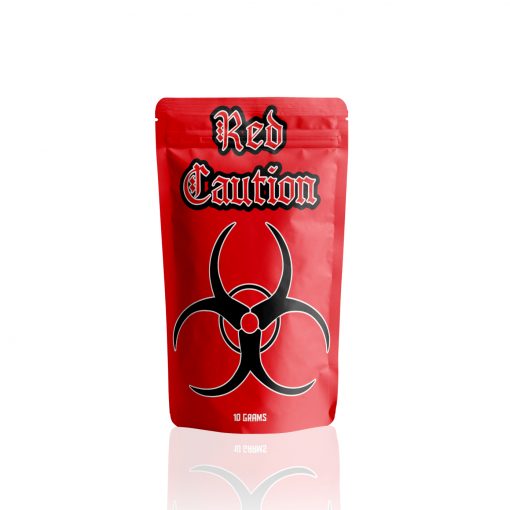
Red Caution 10-GRAM Bag
$49.99
Red Caution 10-GRAM Bag: Product Overview & Regulatory Guide
The Red Caution 10-GRAM Bag is a commercial product presented in a specialized 10-gram package format available on k2 sheet shop. When evaluating products in this market category, consumers and researchers should base their understanding on verified manufacturer documentation, independent laboratory testing, and physical label disclosures rather than marketing titles alone.
What Is Red Caution 10-GRAM Bag?
The Red Caution 10-GRAM Bag is a retail-packaged item distributed in a sealed foil or plastic pouch designed to preserve the physical contents from environmental degradation, light, and moisture. The product is defined primarily by its outer commercial branding and its stated net weight of 10 grams.
In the retail marketplace, products carrying commercial names like Red Caution vary significantly depending on the supplier, distributor, and batch year. Consumers researching this product should recognize that commercial branding alone does not define a item’s underlying material properties. To establish the precise nature of the contents inside a Red Caution 10-GRAM Bag, buyers should consult physical product labeling, batch-specific certificate of analysis (COA) documents, and verified supplier material safety data sheets (MSDS).
Red Caution 10-GRAM Bag Features
When evaluating the Red Caution 10-GRAM Bag, buyers can verify several structural and logistical features directly through standard packaging standards:
-
Stated Net Quantity: Each unit contains a factory-measured quantity of 10 grams.
-
Packaging Format: Sealed, light-resistant pouch designed to prevent moisture intrusion and retain product integrity during transit.
-
Product Labeling: Outer packaging typically displays the commercial title, stated net weight, batch or lot identifiers, and standard manufacturer disclaimers.
-
Batch Information: Reliable distributors provide lot numbers on individual units to assist with quality control and supply-chain traceability.
-
Supplier & Testing Documentation: Verified batches may include third-party laboratory testing certificates confirming the absence of unlisted adulterants or heavy metals.
Consumers should examine physical packages carefully upon receipt. If a product lacks clear batch identification, manufacturer contact details, or safety warnings, buyers should seek clarification from the vendor prior to use or handling.
Understanding the Product Label
Examining the physical product label and supporting documentation is an essential step when reviewing any consumer product. Packaging graphics and brand titles are designed for retail recognition and do not replace factual product specifications.
When reviewing the label on a Red Caution 10-GRAM Bag, pay close attention to the following key elements:
-
Ingredient Disclosures: Verify whether the package lists specific botanical substrates, essential oils, fragrance carriers, or active compounds.
-
Batch or Lot Identifiers: Look for stamped lot numbers that link the physical unit directly to a laboratory analysis report.
-
Manufacturer & Distributor Details: Ensure the package provides traceable contact details for the issuing company.
-
Warning & Handling Statements: Read all printed precautions, age restriction notices, and environmental handling guidelines carefully.
-
Regulatory Disclaimers: Check for statements regarding regulatory status, age requirements, and intended product applications.
If a label contains vague terms, lacks ingredient transparency, or omits manufacturer contact details, users should avoid making assumptions regarding the product’s safety or material composition.
Red Caution 10-GRAM Bag Safety Information
Safety considerations for any commercial blend depend entirely on its exact physical ingredients and chemical profile. Products with undisclosed, variable, or improperly documented compositions carry inherent risks because their physical and chemical behaviors cannot be predicted reliably.
Risk Factors & Precautionary Steps
-
Unknown Formulations: Products lacking a verifiable Certificate of Analysis may contain variable compound concentrations between different manufacturing batches.
-
Unintended Exposure: Unlabeled carriers or undisclosed additives can trigger unexpected allergic responses or acute respiratory irritation.
-
Environmental Safety: Keep sealed pouches stored in a secure location away from minors, vulnerable individuals, and domestic pets.
Do not attempt to ingest, smoke, vape, extract, or chemically modify unknown botanical or synthetic mixtures. If accidental exposure to an unverified substance results in adverse symptoms—such as severe dizziness, rapid heart rate, confusion, or difficulty breathing—seek immediate emergency medical assistance or contact a local poison control center. Additional public health advisories on synthetic compounds and unverified mixtures are available through the U.S. Food and Drug Administration (FDA) and the Centers for Disease Control and Prevention (CDC).
Legal and Regulatory Considerations
The legal classification of any commercial product depends on its specific physical composition, the presence of controlled substances, and the statutory laws of the destination jurisdiction.
Product titles, branding artwork, and online availability do not guarantee that a product is legal to purchase, possess, or import in a given area. State, federal, and international regulatory agencies—including the U.S. Drug Enforcement Administration (DEA)—regularly update controlled substance schedules based on chemical structure and biological activity.
Before purchasing or distributing the potpourri spice, consumers must check local, state, and federal statutes to ensure the item complies with all applicable chemical control laws, consumer safety standards, and customs regulations.
Why Product Transparency Matters
In modern retail markets, product transparency is essential for consumer protection, public health, and regulatory compliance. Transparent labeling bridges the gap between commercial brand names and verifiable product safety.
Key reasons why transparency matters include:
-
Accurate Ingredient Disclosure: Allows consumers to identify potential allergens, toxins, or prohibited compounds before handling.
-
Batch Traceability: Enables vendors to perform targeted recalls if a specific production run fails quality assurance checks.
-
Third-Party Verification: Independent laboratory testing verifies that the physical contents match the claims printed on the outer label.
-
Clear Safety Guidance: Proper warning labels inform users how to store, handle, and dispose of products responsibly.
Relying solely on brand names or unverified online claims increases the risk of acquiring substandard or unsafe products. Independent verification remains the standard for assessing product quality.
Buy Red Caution 10-GRAM Bag at K2 sheet shop
At k2 sheet shop, we present detailed product listings to assist adult consumers in reviewing market offerings responsibly. Our platform emphasizes factual documentation, clear labeling standards, and objective product descriptions across our entire catalog of herbal incense products.
When browsing items on k2 sheet shop, adult buyers can explore dedicated categories such as our selection of 10g grams herbal incense bags, or review specific product entries including the Red Caution 10-GRAM Bag product page. We encourage all site visitors to examine product packaging, verify batch documentation, and review local regulations prior to completing any purchase.
Frequently Asked Questions
What is Red Caution 10-GRAM Bag?
Red Caution 10-GRAM Bag is a commercially packaged product presented in a sealed 10-gram pouch format. Its exact material composition depends on the specific manufacturer, batch, and supplier documentation provided on the physical packaging.
How much product is included in Red Caution 10-GRAM Bag?
Each individual Red Caution package contains a stated net quantity of 10 grams of material, as measured by the manufacturer prior to sealing.
What ingredients are in Red Caution 10-GRAM Bag?
Specific ingredient details depend on the manufacturer’s formulation. Consumers should inspect the physical packaging label and request a batch-specific Certificate of Analysis from the vendor to review the full ingredient list.
Is Red Caution 10-GRAM Bag legal?
The legal status of k2 & spice depends on its exact chemical ingredients and the applicable laws of your local, state, or national jurisdiction. Readers should consult official government regulatory lists prior to ordering.
What should I check before purchasing herbal incense spice?
Before purchasing, verify the manufacturer’s contact details, review the physical label warnings, inspect batch identification numbers, check for third-party laboratory test documentation, and confirm that the item complies with local statutory laws.
Disclaimer:
The information provided in this document is for educational and informational purposes only and does not constitute medical, legal, or regulatory advice. Commercial product names and packaging designs do not establish product safety, ingredient purity, or legal status. Consumers must consult current government legislation, public health advisories, and qualified professional guidance before purchasing, handling, or using any commercial product.
Be the first to review “Red Caution 10-GRAM Bag”
You must be logged in to post a review.
Related products




Reviews
There are no reviews yet.