
Uncategorized
What an Alleged Synthetic Cannabinoid Operation Can Teach Communities About K2 Safety
Nov
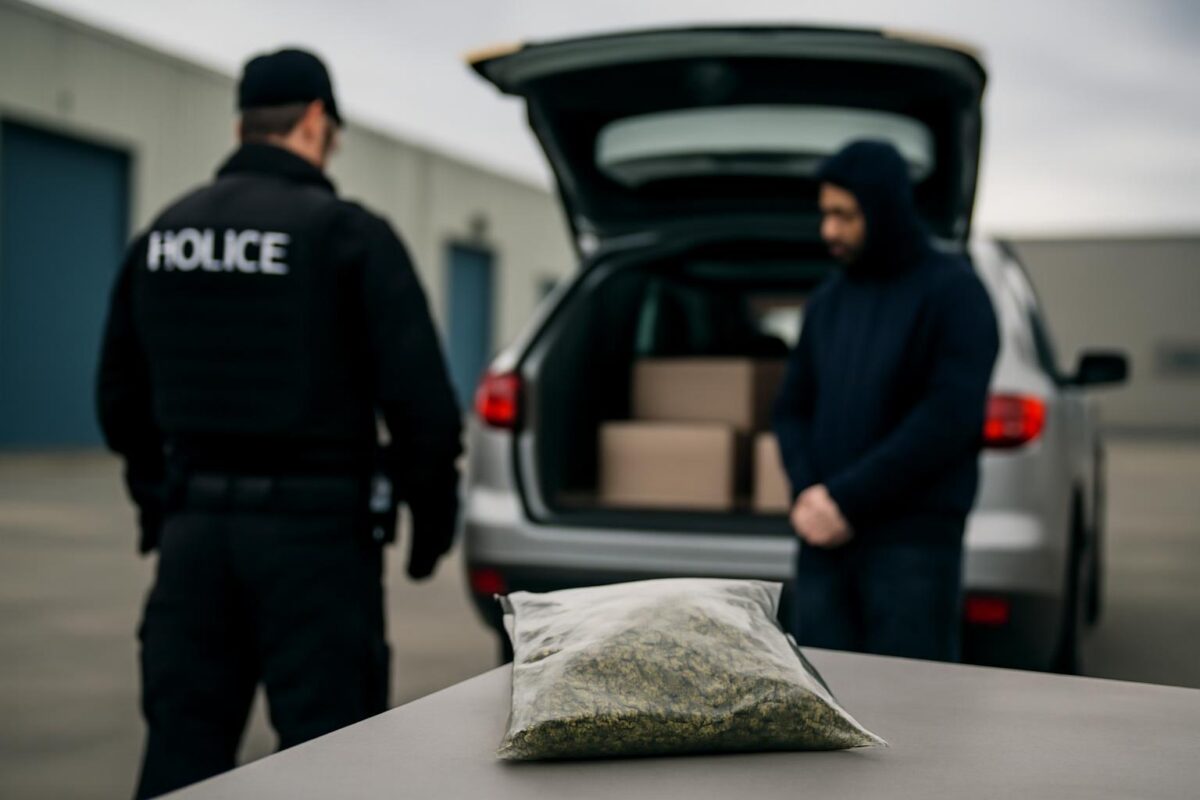
Reports of an alleged synthetic cannabinoid operation can be unsettling for an entire community. They may raise concerns about nearby exposure, unknown chemicals, discarded materials, accidental contact, and the possibility that products marketed as K2, Spice, herbal incense, or synthetic cannabis could circulate without reliable ingredient information.
The most important lesson is that these products should never be treated as predictable alternatives to cannabis. Synthetic cannabinoids are a broad and constantly changing group of laboratory-made chemicals. Two packages with similar names, colors, or descriptions may contain entirely different substances—and a familiar label cannot confirm potency, contents, or safety.
This guide explains what an alleged synthetic cannabinoid operation can teach communities about K2 safety, how to recognize possible exposure, and what to do when an unknown powder, liquid, sprayed material, or paper product is discovered.
Why an alleged operation matters beyond the immediate investigation
Law-enforcement reports often focus on seizures, arrests, or suspected distribution. From a public-health perspective, the broader issue is uncertainty. Synthetic cannabinoid products may be produced, stored, or handled under conditions that do not meet any meaningful standard for labeling, contamination control, or quality assurance.
Materials associated with these products can include plant matter, paper, liquids, powders, containers, packaging, and application equipment. The appearance of an item does not reveal what it contains. A sheet of paper may look ordinary while carrying an unknown chemical residue. A bottle may be labeled as incense or fragrance while containing a substance capable of causing severe poisoning.
Communities should therefore avoid drawing conclusions from branding, color, smell, or online descriptions. Product names such as “extra potent,” “premium,” or “strong” are marketing language rather than evidence of a verified composition. There is no dependable way to judge a synthetic cannabinoid product by appearance alone.
What makes K2 and Spice exposure difficult to predict?
Synthetic cannabinoids can act strongly on the brain and cardiovascular system. Unlike plant cannabis, which contains a relatively familiar group of naturally occurring cannabinoids, synthetic products may contain potent receptor-active compounds with different effects and toxicities.
Several factors can make an exposure unpredictable:
- Changing formulas: Manufacturers may substitute one chemical for another when laws change or supplies become unavailable.
- Uneven distribution: A liquid or powder may not be spread consistently across plant material, paper, or another carrier.
- Unknown concentration: A small amount of a highly active compound may produce a serious reaction.
- Contamination: Products may contain solvents, by-products, pesticides, metals, or other drugs.
- Misleading labels: Packaging may omit ingredients or use names that suggest a harmless herbal product.
- Individual vulnerability: Heart disease, seizure disorders, pregnancy, mental-health conditions, and medication interactions can increase danger.
These variables explain why one person may report mild effects while another experiences agitation, hallucinations, seizures, overheating, collapse, or cardiac complications after using a product with a similar name.
Common community warning signs
No single sign proves that a location is connected to synthetic cannabinoid production or distribution. However, several observations may justify contacting an appropriate local authority or health agency rather than investigating personally.
Possible physical indicators
- Unlabeled bottles, droppers, or spray containers containing an unknown liquid
- Loose powders, plant material, or papers with unusual stains or chemical odors
- Large quantities of empty packaging, labels, or small containers
- Protective gloves, masks, or improvised ventilation around unknown materials
- Discarded materials in shared areas, stairwells, vehicles, parks, or vacant buildings
Possible health indicators
People exposed to synthetic cannabinoids may develop sudden confusion, panic, severe anxiety, hallucinations, unusual aggression, drowsiness, vomiting, tremors, rapid heartbeat, chest pain, breathing problems, seizures, or loss of consciousness. Symptoms can begin quickly and may fluctuate over time.
These signs can also result from other medical emergencies. The correct response is not to diagnose the substance at home. Treat an unexplained severe reaction as a medical emergency.
What to do if an unknown K2-related material is found
Do not touch, taste, smell closely, burn, shake, or move an unknown substance. Avoid sweeping or vacuuming powders and do not attempt to wash liquid residue into a drain. Keep children, pets, and other people away from the area.
If the material is in a home, workplace, vehicle, or public building, leave the immediate area if there is a strong odor, visible vapor, spilled liquid, or concern about airborne contamination. Call emergency services when there is an immediate threat, an injured person, fire, dangerous fumes, or a suspected hazardous-material incident. For nonurgent concerns, contact the relevant local public-health, environmental-health, or law-enforcement department for instructions.
If someone has touched an unknown material, avoid spreading it to the face, food, phones, or other surfaces. Remove contaminated outer clothing if this can be done safely, place it away from other people and pets, and wash exposed skin with soap and water. Do not use solvents or household chemicals on skin. Medical or poison-information professionals can provide situation-specific guidance.
Recognizing a possible synthetic cannabinoid emergency
Call emergency services immediately for chest pain, difficulty breathing, a seizure, severe overheating, collapse, unresponsiveness, extreme agitation, or behavior that creates an immediate danger. Stay with the person if it is safe to do so, move dangerous objects away, and provide responders with honest information about what may have been used.
Do not force the person to vomit. Do not give food, alcohol, or additional drugs. Do not restrain someone who is confused or agitated unless trained professionals direct you to do so. If the person is unconscious but breathing, place them on their side when possible and monitor their breathing until help arrives. If they are not breathing normally, follow the emergency dispatcher’s instructions.
Preserve packaging or photographs only if doing so does not require touching a potentially contaminated item. Tell clinicians about the route of exposure—such as inhalation, ingestion, skin contact, or possible exposure through paper or plant material—and report the timing of symptoms.
Why labels, product pages, and appearance are not proof of safety
Online descriptions frequently use phrases such as “herbal incense,” “botanical blend,” “research chemical,” or “legal high.” These terms do not establish that a product is safe, legal in a particular jurisdiction, or free from synthetic cannabinoids. Legal status can also change rapidly, and a product that is sold openly may still violate local or national law.
Images and descriptions cannot verify laboratory composition. Even a claim that a product is “lab tested” should be treated cautiously unless the testing method, batch number, laboratory identity, analytes, and complete report are independently verifiable. A product page is not a substitute for medical advice or a recognized poison-control resource.
For general website navigation, readers may review the K2 Sheets Shop home page, but commercial availability should never be interpreted as evidence that a synthetic cannabinoid product is safe for use. The site’s product index and page index may also contain descriptions that should be evaluated critically, especially where claims about potency, purity, or legality appear.
How families and organizations can prepare
A simple exposure plan can reduce confusion during an emergency. Families, schools, property managers, and workplaces should identify who will call emergency services, where people should move if an unknown substance is discovered, and how children and pets will be kept away from the area.
Useful preparation steps include:
- Keep emergency numbers visible and ensure staff know the location of first-aid supplies.
- Teach children not to touch discarded papers, powders, plant material, bottles, or vaping devices.
- Use plain language when discussing risk: an item that looks like paper or incense may contain an unknown chemical.
- Record the location and time of a discovery without handling the material.
- Maintain ventilation and cleaning procedures appropriate to the setting, while avoiding do-it-yourself cleanup of suspected chemical contamination.
- Document symptoms and timing if someone may have been exposed.
Organizations should also avoid stigmatizing people who experience poisoning. A calm, factual response improves the chance that witnesses will share useful information with medical responders.
What communities should ask after a reported seizure
When authorities announce an alleged operation, residents may want to know whether there is any confirmed public exposure, whether a site requires professional decontamination, whether nearby residents need to take precautions, and where suspected materials should be reported.
These questions are best directed to local officials rather than answered through social media speculation. Early reports may not identify the actual compounds involved, and laboratory analysis can take time. Until results are available, assume that unknown materials may be hazardous and avoid handling them.
It is also important to distinguish confirmed facts from allegations. A reported operation does not prove that every product with a similar name came from the same source, and a product’s branding does not establish its chemical contents. Responsible communication should focus on verified information, symptoms, prevention, and access to care.
Frequently asked questions
Is K2 the same as cannabis?
No. K2 and Spice are common names associated with products containing synthetic cannabinoids. These chemicals can differ substantially from cannabis and may cause more severe or unpredictable effects.
Can touching K2 paper cause poisoning?
Risk depends on the substance, amount, route of exposure, and whether residue transfers to the mouth, eyes, food, or other surfaces. Avoid handling unknown paper or residue. If contact occurs, wash exposed skin and seek professional guidance, especially when symptoms develop.
Can the smell identify synthetic cannabinoids?
No. Smell is not a reliable way to identify a chemical or determine its danger. Avoid deliberately smelling an unknown liquid, powder, plant material, or paper.
Should people clean up suspected K2 residue themselves?
No. Do not vacuum, sweep, rinse, or use household chemicals on suspected contamination. Ask local emergency, environmental-health, or hazardous-material professionals for instructions.
What is the safest response to a suspected overdose?
Call emergency services for severe or rapidly worsening symptoms, stay nearby if safe, avoid giving food or drugs, and tell responders what may have been used. Prompt, accurate information can support treatment.
The central public-health lesson
An alleged synthetic cannabinoid operation is not only a law-enforcement story. It is a reminder that K2-related products can involve unknown chemicals, unreliable labels, contaminated surfaces, and rapidly changing risks. Communities are safer when people do not experiment with unidentified materials, do not share unverified product claims, and know how to respond to a possible exposure.
When in doubt, create distance, keep others away, contact the appropriate professionals, and treat serious symptoms as an emergency. No package name, product photograph, or marketing claim can replace verified chemical information and qualified medical guidance.
