
Uncategorized
Synthetic Cannabinoid Toxicity: Why New K2 Compounds Make Exposure Hard to Predict
Nov
Synthetic Cannabinoid Toxicity: Understanding New K2 Risks This is an educational harm-reduction article, not a product guide. K2, Spice, and related synthetic cannabinoid products can contain unpredictable chemicals and may cause serious or life-threatening effects. Do not use, taste, inhale, or handle an unknown substance to identify it.
Synthetic cannabinoid toxicity is difficult to predict because “K2” and “Spice” are not single chemicals. They are broad street terms used for mixtures that may contain different lab-made compounds, varying concentrations, and unexpected contaminants. A package, color, smell, or marketing name cannot reliably establish what is inside.
This topic is an evergreen public-health concern rather than a claim about a current outbreak or trend. Formulas can change quickly, and the same product name may refer to different substances at different times or in different locations. That uncertainty is one reason familiar descriptions such as “mild,” “extra potent,” or “herbal” should never be treated as evidence of safety.
What makes synthetic cannabinoid toxicity different?
Natural cannabis and synthetic cannabinoids both interact with cannabinoid receptors, but synthetic compounds may bind more strongly or behave differently throughout the body. Some can produce intense effects at very small amounts. Others may affect additional biological pathways, contributing to agitation, seizures, cardiovascular problems, or severe confusion.
Unlike a standardized medicine, an illicit or misrepresented K2 product may have no dependable manufacturing process. The active chemical may be unevenly distributed across plant material, paper, powder, or liquid. One part of a material can therefore contain substantially more active compound than another part.
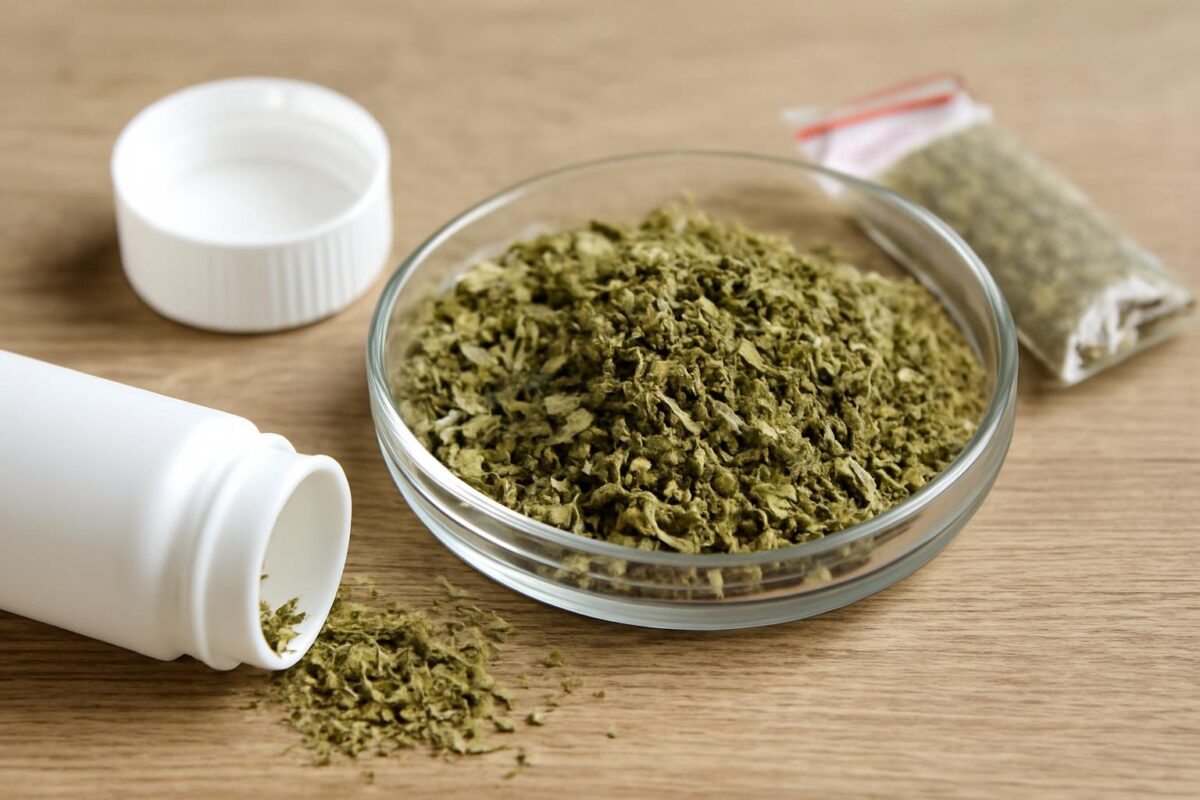
Products described as K2 soaked paper, infused paper, herbal incense, liquid, powder, or spray can all create different exposure patterns. A person may also be exposed without realizing it if a material is mislabeled or represented as something harmless. The format does not make the contents predictable.
Why newer compounds can produce unfamiliar symptoms
Synthetic cannabinoid chemistry changes over time. When one compound is restricted or becomes known to authorities, another may appear under the same general street name. This creates a moving target for consumers, clinicians, toxicologists, and laboratories.
Newer compounds may not behave like earlier versions of K2. A person who has encountered one product before cannot assume that a later product with the same branding will have a similar strength or effect. Tolerance, body size, medications, underlying health conditions, and route of exposure can further change the outcome.
Common sources of uncertainty
- Unknown identity: The stated ingredient may be incomplete, inaccurate, or entirely unrelated to the actual chemical.
- Uneven concentration: Liquid or powder may not be distributed consistently across paper or plant material.
- Changing formulas: The same product name may be used for different compounds over time.
- Contamination: Solvents, residual chemicals, microbes, or other drugs may be present.
- Delayed effects: Symptoms may worsen after an initial period of apparent calm.
- Polydrug exposure: Alcohol, prescription medicines, stimulants, opioids, or other substances can complicate the reaction.
How exposure format affects risk
The physical form of a synthetic cannabinoid does not tell you how dangerous it is, but it can influence how exposure occurs. Liquids and sprays may be transferred to skin, eyes, clothing, or indoor surfaces. Powders may become airborne and can be accidentally inhaled or spread to the mouth. Treated paper and plant material may expose a person through handling or smoke.
It is especially risky to assume that a visible stain, dry surface, or familiar scent indicates that a material is inactive. Synthetic cannabinoids may be present without an obvious smell or appearance. Conversely, a strong chemical odor may indicate additional hazards rather than potency.
Do not attempt to test an unknown K2 liquid, powder, spray, or paper by touching it to the tongue, burning it, applying it to skin, or giving it to another person. Home appearance checks cannot confirm identity, dose, purity, or safety.
Warning signs of serious synthetic cannabinoid exposure
Reactions vary widely. Some people experience anxiety or dizziness, while others develop sudden medical emergencies. Seek urgent medical help if someone exposed to a suspected synthetic cannabinoid has any of the following:
- Chest pain, severe palpitations, or difficulty breathing
- Seizures, collapse, or loss of consciousness
- Extreme agitation, panic, aggression, or hallucinations
- Severe confusion, inability to respond normally, or unusual behavior
- Repeated vomiting or signs of choking
- Very high body temperature, heavy sweating, or rigid muscles
- Weakness, slurred speech, or sudden loss of coordination
- Blue, gray, or unusually pale lips or skin
- Slow, irregular, or stopped breathing
Do not wait for every symptom to appear. Synthetic cannabinoid toxicity can progress rapidly, and the safest response is to contact emergency services when serious symptoms are present.
What to do during a suspected K2 emergency
Call for professional help
Call your local emergency number or poison information service. Explain that a synthetic cannabinoid or unknown chemical may be involved, and describe the person’s symptoms, approximate time of exposure, and route of exposure. If safe, keep the packaging or a photograph available for responders, but do not handle a leaking or contaminated product unnecessarily.
Protect breathing and positioning
If the person is unconscious but breathing normally, place them on their side and monitor their breathing. Do not leave them alone. If they are not breathing normally, follow the dispatcher’s instructions and begin appropriate first aid if trained to do so.
Avoid common mistakes
- Do not induce vomiting.
- Do not give food, drinks, alcohol, or other drugs to “balance” the effects.
- Do not restrain a severely agitated person unless necessary to prevent immediate injury.
- Do not assume sleep will resolve a dangerous reaction.
- Do not drive an affected person yourself if an ambulance is available.
If material contacts the eyes or skin, move away from the source and rinse the affected area with running water. Remove contaminated clothing if it can be done safely. If fumes were inhaled, move to fresh air without putting yourself at risk. Poison professionals can provide situation-specific instructions.
Why labels and potency claims are unreliable
Terms such as “premium,” “strong,” “extra potent,” “lab-created,” or “research chemical” describe marketing or broad categories, not a verified safety profile. Even a claim that a product is “pure” does not establish its identity, concentration, sterility, or absence of other substances.
Paper products deserve particular caution because a small, portable item can conceal an unknown chemical load. Cutting or dividing a sheet does not guarantee equal distribution. A visual inspection also cannot determine whether a product contains a synthetic cannabinoid at all.
For general site navigation, readers may find the K2 Sheets Shop homepage and the site’s product index useful for identifying how product categories and descriptions are presented. The page index provides additional site navigation. None of these pages, labels, or descriptions can verify the chemical contents or medical safety of an unknown product.
Reducing accidental exposure
The most reliable way to avoid synthetic cannabinoid toxicity is not to use or handle unknown K2 or Spice products. If an unknown material is present in a home, workplace, vehicle, school, or detention setting, keep children and animals away and avoid actions that can spread dust or liquid.
Do not transfer an unknown substance into food containers, drink bottles, cosmetic packaging, or unmarked bags. Do not mix it with other chemicals or dispose of it in a way that could expose sanitation workers, pets, or household members. When possible, ask local hazardous-materials, public-health, or law-enforcement authorities for safe disposal guidance.
People who use prescribed medicines should tell clinicians about any possible exposure, including substances they are embarrassed or uncertain about. Accurate information helps medical teams choose appropriate monitoring and treatment. Seeking help is more important than identifying the exact street name.
Frequently asked questions
Is K2 the same as cannabis?
No. K2 and Spice usually refer to mixtures containing one or more synthetic cannabinoids, while cannabis comes from the cannabis plant. The effects, chemical structures, legal status, and health risks can differ substantially. A product sold as K2 should not be assumed to behave like cannabis.
Can a smell or color show whether K2 is safe?
No. Smell, color, texture, packaging, and branding cannot confirm the identity or concentration of a synthetic cannabinoid. Some dangerous chemicals may have little visible or detectable odor, while added fragrances can conceal other hazards.
Can standard drug tests detect every synthetic cannabinoid?
No. Routine drug screens may not detect many synthetic cannabinoids, and a negative result does not prove that exposure did not occur. Clinical decisions should be based on symptoms and the reported circumstances, not solely on a screening result.
What if someone seems fine after exposure?
Continue observing them and seek professional advice, particularly if the substance or amount is unknown. Delayed or worsening symptoms are possible. Call emergency services immediately if breathing problems, seizures, chest pain, severe confusion, collapse, or extreme agitation develop.
Should I bring the product to the hospital?
Only if it can be transported safely and responders request it. Do not carry leaking, loose, or powdery material in a pocket or vehicle. A photograph of the packaging may be useful, but protecting people from further exposure comes first.
The practical takeaway
Synthetic cannabinoid toxicity is unpredictable because K2 and Spice are labels applied to changing mixtures rather than one standardized substance. Product format, branding, and potency claims cannot establish what is present or how a person will react. Treat unknown powders, liquids, sprays, treated paper, and herbal materials as potential chemical hazards.
When serious symptoms occur, call emergency services promptly, describe the suspected exposure honestly, and follow professional instructions. Early medical attention can be critical, especially when breathing, consciousness, body temperature, heart rhythm, or behavior changes suddenly.
