
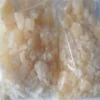
4F-ABUTINACA
Price range: $200.00 through $2,100.00
4F‑APINACA — Comprehensive Factual Overview
What Is 4F‑APINACA?
Is 4F‑ABINACA a Synthetic Cannabinoid?
How Is 4F‑ABINACA Classified?
Chemical Classification
- Family: Indazole‑3‑carboxamide synthetic cannabinoid
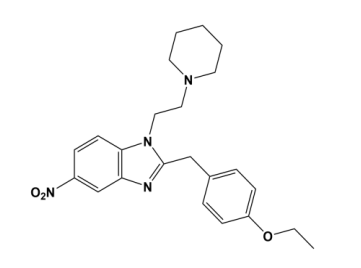
- Structure: Adamantyl‑linked indazole core with a 4‑fluorobenzyl group; closely related to 4F‑APINACA and FUB‑APINACA
- Mechanism: Full CB₁/CB₂ receptor agonist — significantly more potent than THC
Legal Classification
- United States: Controlled under Schedule I (or analog provisions of the Controlled Substances Act) due to high abuse potential and no accepted medical use
- United Kingdom: Falls under the Psychoactive Substances Act 2016 — controlled as a psychoactive substance; supply is prohibited
- European Union: Monitored and restricted via the EMCDDA early warning system; banned in most member states
- Internationally: Related compounds fall under UN drug control conventions; authorities treat 4F‑ABINACA as a restricted substance globally
- Canada: Controlled under the Controlled Drugs and Substances Act as an analog
What Does MDMB‑4en‑PICA Smell Like?
- In pure powder or crystalline form: The odor is faint, mild, and often described as slightly chemical or aromatic — many samples are nearly odorless
- When sprayed onto herbal material: The carrier botanicals dominate — dried herbs, leafy matter, or woody fragrances completely mask the compound’s actual scent
- When burned: It releases a sharp, chemical, or acrid smoke — noticeably different from natural cannabis; sellers often add flavorings (fruit, mint, vanilla) to hide those harsh undertones
How It Differs From 4F‑ABINACA and 4F‑ABUTINACA
| Compound | Core Structure | Key Distinction | Potency Profile |
|---|---|---|---|
| 4F‑APINACA | Indazole core + adamantyl group | Indazole ring; adamantyl links directly to carboxamide | High potency; longer duration frequently reported |
| 4F‑ABINACA | Indazole core + amide‑bridged adamantyl | Additional amide linker between core and adamantyl group | Slightly altered binding profile; similar potency range |
| 4F‑ABUTINACA | Indole core + tert‑butyl group | Indole replaces indazole; tert‑butyl replaces adamantyl | Potency varies; shorter duration reported in some cases |
Mechanism of Action
- It produces rapid, intense shifts in mood, perception, and physical function.
- Effects lack the natural “ceiling” that often limits how strongly natural THC affects the body — reactions can escalate without warning.
- It may also interact with other receptor systems and biological pathways that scientists do not yet fully understand.
Reported Effects and Observed Risks
Perceived Psychoactive Effects
- Some users report initial relaxation, altered time perception, or mood elevation — but onset and intensity are unreliable.
- Many experience rapid shifts into disorientation, confusion, or dissociation — often without warning.
Confirmed Health Risks
- Cardiovascular strain: Raises heart rate above 100 beats per minute, elevates blood pressure, causes chest pain, and increases risk of cardiac ischemia — even in young, otherwise healthy people.
- Neurological impact: Triggers severe anxiety, paranoia, hallucinations, tremors, seizures, and loss of consciousness. Psychotic episodes that persist long after use have been documented.
- Organ damage: Causes acute kidney injury requiring hospitalization — well‑reported across fluorinated synthetic cannabinoids.
- Respiratory distress: Produces shortness of breath, reduced oxygen intake, and lung irritation — especially when inhaled.
- Total unpredictability: Potency lacks standardization and formulations change constantly. A dose that feels mild in one instance can cause life‑threatening reaction in another. No reliable threshold separates “safe” from dangerous amounts.
Legal Status and Regulation
Important Safety & Legal Notice
Why No Government Approves These Compounds for Medical Use
- No controlled clinical trials proving safety or effectiveness
- High risk of acute toxicity and unpredictable reactions
- Strong abuse potential and rapid development of dependence
- Zero demonstrated medical benefit that outweighs known dangers
Responsible Guidance and Alternatives
- Mindfulness practices, breathwork, and meditation — free, accessible, and backed by mental health research
- Physical activity and time in nature — proven to lift mood and lower stress
- Pure botanical aromatherapy and incense with fully disclosed ingredients — no hidden chemical compounds
- Consultation with a healthcare provider for persistent mood, sleep, or stress concerns
Frequently Asked Questions
Is 4F‑APINACA the same as cannabis?
No. It is a lab‑made fluorinated compound, not plant‑derived THC. It acts differently in the brain, often proves far more potent, and carries significantly higher risk of severe reaction.
Can I use these compounds safely in small amounts?
No established safe dosage exists. Potency changes batch to batch, individual sensitivity varies widely, and effects escalate unpredictably. Even experienced users cannot reliably anticipate reactions.
Are 4F‑ABINACA and 4F‑ABUTINACA safer alternatives?
No. All three are potent fluorinated synthetic cannabinoids with nearly identical risk profiles. Minor structural differences do not eliminate dangers.
What should I do if exposure happens?
Seek emergency medical care immediately for chest pain, difficulty breathing, seizures, confusion, or loss of consciousness. Tell medical staff exactly what was involved — that information saves lives.
Can I legally obtain these compounds where I live?
Probably not. Most nations restrict or ban synthetic cannabinoids including fluorinated variants. Laws change frequently — verify current regulations in your specific location before considering any transaction.
| Quantity | 5g, 10g, 25g, 50g, 100g |
|---|
Related products
Synthetic Cannabinoids

Synthetic Cannabinoids
Synthetic Cannabinoids