
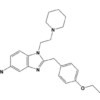
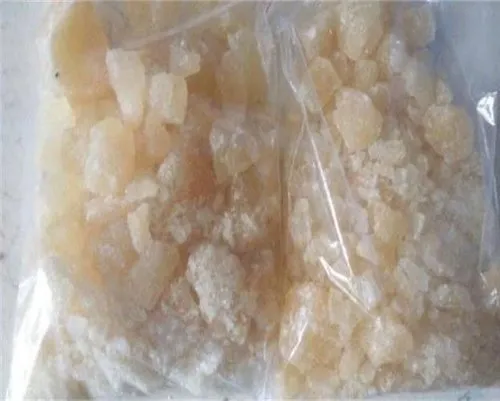
4F-MDMB-BINACA
Price range: $180.00 through $1,300.00
- Substance Class: Indazole-3-carboxamides
- CAS Number: 2365471-11-8
- Molecular Formula: C₂₀H₂₈FN₃O₃
Buy 4F-MDMB-BINACA Online: What you should Need to Know
buy 4F-MDMB-BINACA online at K2 sheet shop!4F-MDMB-BINACA** (also written 4-fluoro-ADB) is a synthetic cannabinoid that appears in forensic chemistry literature and toxicology case reports. If you are searching to buy 4F-MDMB-BINACA online in the United States, the single most important fact comes first: under US federal law, this substance is treated as a Schedule I controlled substance analogue. That status shapes everything else on this page, from sourcing to testing to legal exposure.
This article explains what 4F-MDMB-BINACA is, why its legal position in the US is restrictive, and what documented toxicology reports say about its risks. Read it as a reference on a research chemical, not as encouragement to obtain or use one.
Is MDMB-4en-PINACA Legal?
No. In the United States, MDMB-4en-PINACA — and structurally related compounds such as 4F-MDMB-BINACA — are not legal to buy, sell, or possess for human consumption. US enforcement does not depend only on a substance being named in the Controlled Substances Act. The Federal Analogue Act allows chemicals that are “substantially similar” to a Schedule I controlled substance to be prosecuted as Schedule I analogues. Synthetic cannabinoids such as 4F-MDMB-BINACA and MDMB-4en-PINACA fall within that framework.
State law adds a second layer. Several US states maintain their own bans on synthetic cannabinoid classes, and the specific compounds covered vary by jurisdiction. Because schedules and state statutes change, the current legal status of any specific compound in a specific state should be verified by an attorney or through the official state code before acting.
Practical takeaway: there is no lawful consumer market for 4F-MDMB-BINACA in the US. Websites marketing it as a “research chemical” do not change its legal classification.
What Is MDMB-4en-PINACA?
MDMB-4en-PINACA is a synthetic cannabinoid receptor agonist — a laboratory-made compound designed to bind cannabinoid receptors in the body, but with a chemical structure unrelated to THC. It belongs to the same broad family as 4F-MDMB-BINACA, which is also known as 4-fluoro-ADB.
Both compounds appear in the scientific literature primarily as subjects of forensic and toxicology analysis. They have been detected in products sold as “herbal incense,” “spice,” or “K2,” often with no labeling of the actual active compound or its concentration. One recurring finding in toxicology reports is that the same product can vary widely in potency from batch to batch, which is a major source of accidental overdose.
Key identity points:
4F-MDMB-BINACA / 4-fluoro-ADB:** a synthetic cannabinoid identified in forensic casework
MDMB-4en-PINACA:** a related synthetic cannabinoid with a similar mechanism
Mechanism:** binds cannabinoid receptors; effects are not equivalent to cannabis
Typical market form:** sprayed onto plant material or sold as powder, often mislabeled
Editorial note for verification: exact IUPAC names, CAS numbers, and molecular weights should be confirmed against a current peer-reviewed source or official forensic database before publication.
What Are the Potential Side Effects of Taking MDMB-4en-PINACA?
Synthetic cannabinoids are consistently associated with more severe adverse events than cannabis in clinical and poison-center reports. Documented effects linked to this class include:
Agitation, anxiety, and panic.
Rapid heart rate and elevated blood pressure.
Nausea and vomiting.
Confusion, disorientation, and memory impairment.
Seizures.
Kidney injury.
Loss of consciousness and respiratory depression in severe cases.
Because potency varies between batches and products are frequently mislabeled, users cannot reliably judge how much of an active compound they are exposed to. Emergency department visits involving synthetic cannabinoids often involve more than one substance, which complicates treatment and outcome data.
Editorial note for verification: specific case counts, poison-center statistics, and fatality figures should be sourced from a current official report rather than estimated.
Before You Buy 4F-MDMB-BINACA Online in the US
If you are evaluating a vendor that advertises 4F-MDMB-BINACA for sale in the United States, consider what the transaction actually involves:
Federal exposure: Possession, purchase, or distribution may be prosecuted under the analogue provisions of the Controlled Substances Act.
State exposure: Additional state-level synthetic cannabinoid bans may apply where you live.
No quality control: Products are frequently mislabeled, and the actual compound present may not be the one advertised.
Health risk: The compound class is linked to seizures, cardiac effects, and kidney injury in published case reports.
No legitimate consumer use: There is no approved medical or consumer application for this substance in the US.
Frequently Asked Questions
Can I legally buy 4F-MDMB-BINACA online in the United States?
No. Federal law treats it as a Schedule I controlled substance analogue, and many states have separate bans. Selling or possessing it can carry criminal penalties.
Is 4F-MDMB-BINACA the same as MDMB-4en-PINACA?
They are distinct compounds in the same synthetic cannabinoid family. They are related in structure and mechanism, but they are not identical substances, and neither is legal for consumer sale in the US.
Is 4F-MDMB-BINACA the same as cannabis?
No. It is a synthetic cannabinoid that binds cannabinoid receptors but has a different chemical structure from THC and is link to more severe adverse effects in toxicology reports.
What is 4-fluoro-ADB?
4-fluoro-ADB is an alternate name use for 4F-MDMB-BINACA in some forensic and research literature.
Where can I get accurate information about its legal status?
Consult a licensed attorney in your state, or review the official state and federal controlled substance schedules directly. Status can change, so verify current law rather than relying on vendor claims.
Conclusion: what to know about 4F-MDMB-BINACA
4F-MDMB-BINACA, or 4-fluoro-ADB, is a synthetic cannabinoid identified in forensic casework, linked to serious health effects, and treated as an illegal controlled substance analogue in the United States. Any site offering to sell it to US buyers is not offering a lawful consumer product. If you encounter it in a product marketed as incense or spice, treat that as a serious safety and legal warning.
| Quantity | 5g, 10g, 25g, 50g, 100g |
|---|
Related products

Synthetic Cannabinoids
Synthetic Cannabinoids
Synthetic Cannabinoids